Many people assume slow internet automatically means their Internet Service Provider isn’t delivering the speeds they’re paying for. In reality, your internet experience depends on every part of your home network working together. A bottleneck anywhere between your modem and your devices can affect streaming, gaming, video calls, and everyday browsing.
If your internet feels slow, the problem isn’t always your Internet Service Provider (ISP).
In many homes, slow internet is caused by bottlenecks inside the home network, such as weak WiFi coverage, outdated networking equipment, overloaded wireless connections, or too many devices competing for bandwidth.
The good news is that many of these problems can be identified and fixed without changing your internet plan.
Here’s how to find the real cause.
1. Your Internet Plan May Be the Limiting Factor
Your home network can only deliver the internet speed your ISP provides.
For example, if your plan delivers up to 300 Mbps, no router, WiFi upgrade, or Ethernet switch can magically increase it to 1 Gbps.
Before replacing equipment, verify the speed you’re paying for.
How to check
Run a speed test using a computer connected directly to your router with an Ethernet cable.
If the measured speed is close to your subscribed speed, your ISP connection is likely working correctly. If it is significantly lower, the issue may be with your modem, ISP, or line quality.
Think of your internet plan as the size of the pipe bringing internet into your home. Every device shares that same connection. If your plan doesn’t provide enough bandwidth for your household, no amount of new networking equipment can increase the speed coming into your home.
How to fix it
- Verify your subscribed internet speed.
- Restart your modem and router.
- Contact your ISP if wired speed tests consistently fall well below your plan.
💡 Tip: Always test your internet using Ethernet before troubleshooting WiFi. Wireless performance can introduce variables that make diagnosing the real problem more difficult.
2. Your WiFi Signal Isn’t Reaching Every Room
One of the biggest causes of slow internet is simply poor WiFi coverage.
WiFi signals become weaker as they pass through walls, floors, mirrors, appliances, and even large pieces of furniture. The farther a device is from your router, the harder it becomes to maintain a fast, reliable connection. That’s why internet performance often varies from room to room.
If your connection slows dramatically in bedrooms, basements, garages, or upstairs rooms, weak signal strength is often the culprit.
Signs this is your problem
- Internet is fast near the router.
- Speed drops in certain rooms.
- Video calls freeze when you move around the house.
- Streaming buffers in distant locations.
How to fix it
- Place your router in a central, elevated location.
- Reduce obstacles around the router.
- Add a wired WiFi access point in larger homes.
- Connect stationary devices using Ethernet whenever possible.
Every device you move from WiFi to Ethernet reduces wireless congestion and leaves more wireless capacity available for phones, tablets, and laptops.
3. Too Many Devices Are Competing for WiFi
Unlike Ethernet, WiFi is a shared resource. Every connected device takes turns communicating with the router. As more devices stream video, join video calls, play online games, or upload files, they compete for the same wireless airtime, which can reduce overall performance.
Modern homes often have dozens of connected devices.
Smart TVs, gaming consoles, streaming boxes, security cameras, laptops, phones, smart speakers, thermostats, and appliances all compete for wireless airtime.
Even if your internet connection is fast, WiFi performance can suffer when too many devices share the same wireless network.
How to fix it
Whenever possible, connect high-bandwidth devices using Ethernet, including:
- Smart TVs
- Gaming consoles
- Desktop computers
- Network Attached Storage (NAS)
- Streaming devices
- Home office computers
This frees WiFi capacity for mobile devices that truly need wireless connectivity.
If your router doesn’t have enough Ethernet ports, adding an unmanaged Ethernet switch is an easy way to connect more wired devices without replacing your router.
👉 Related: What Is an Ethernet Switch and How Does It Work?
4. Your Networking Equipment May Be Outdated
Internet speeds have increased dramatically over the past decade.
Internet technology has improved significantly over the past several years. Older modems, routers, and networking equipment may not support today’s faster internet plans or newer networking standards, creating a bottleneck before your devices can take advantage of the available bandwidth.
Potential bottlenecks include:
- Older cable modems
- Older routers
- Fast Ethernet (100 Mbps) equipment
- Older WiFi standards
Even if your ISP provides gigabit service, outdated equipment can prevent your home from taking full advantage of those speeds.
How to fix it
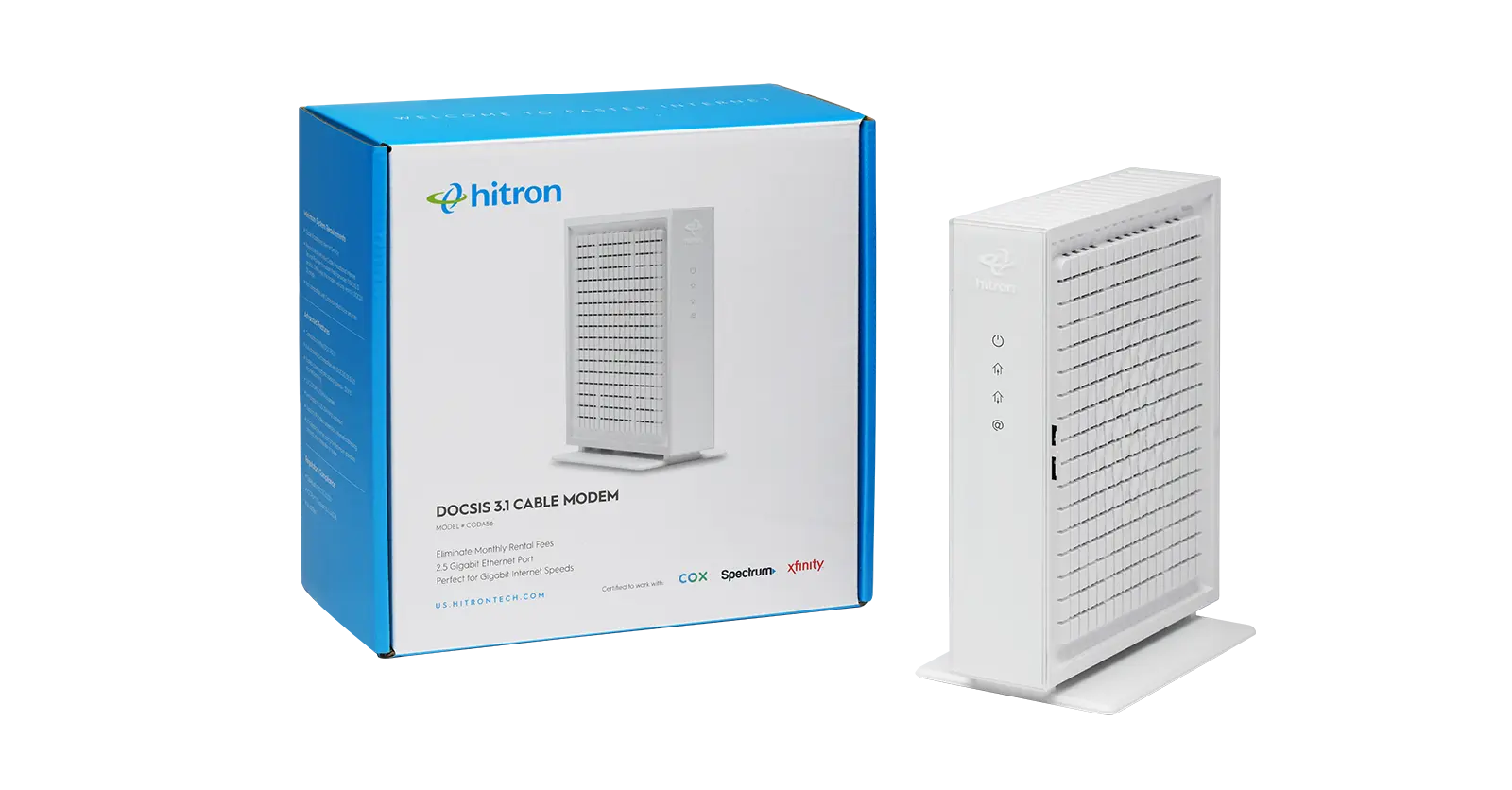
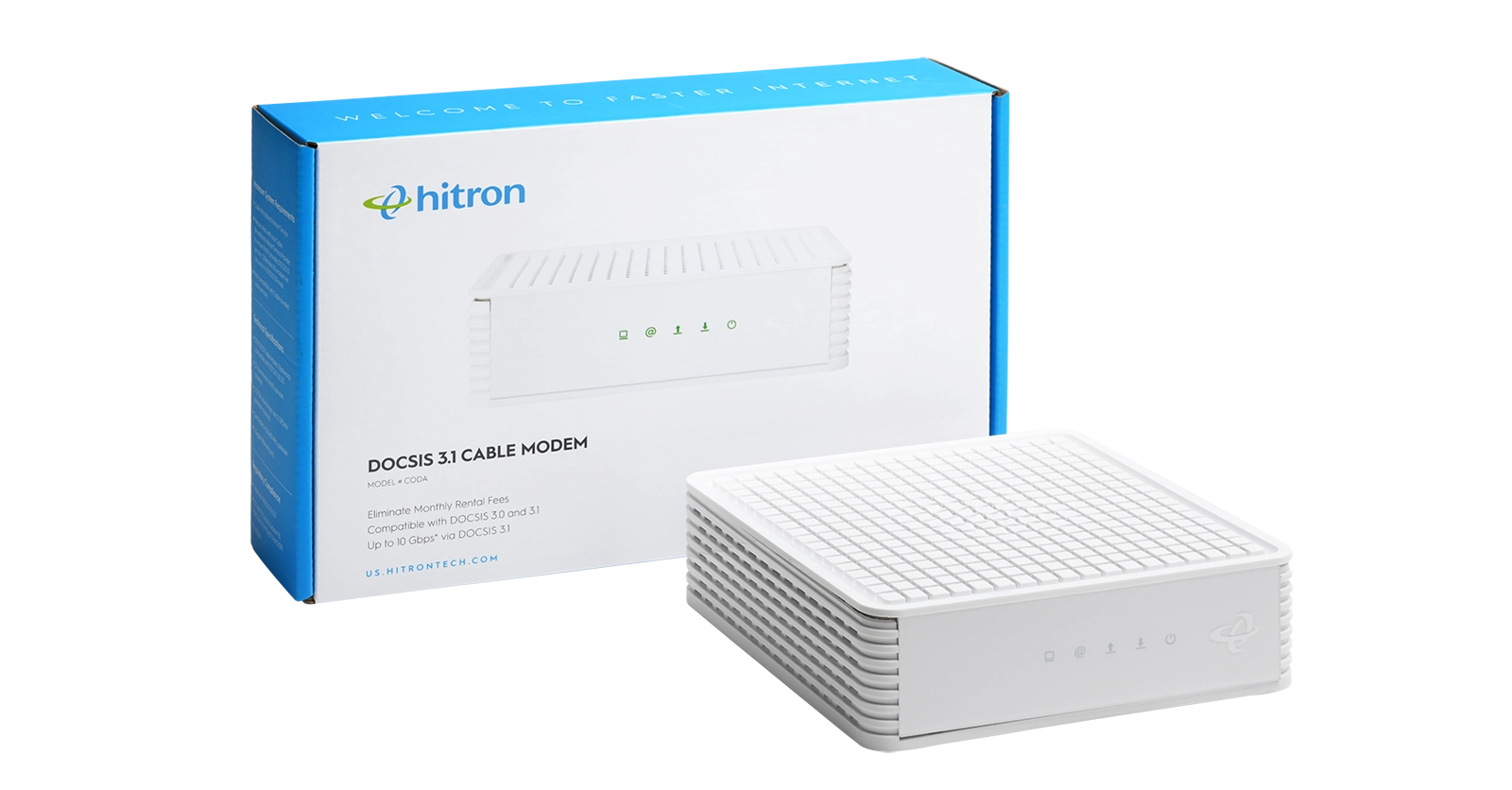
Check whether your modem and router support the speeds included with your current internet plan. If you have cable internet and are using an older modem, upgrading to a newer DOCSIS 3.1 cable modem can help ensure your modem isn’t limiting the speed available to your home network.
The Hitron CODA56 DOCSIS 3.1 Cable Modem supports multi-gigabit internet speeds and includes a 2.5 Gigabit Ethernet port, making it a good option for households upgrading to faster cable internet plans.
When replacing networking equipment, look beyond the speeds you have today and choose equipment that can also support future internet upgrades.
👉 Related: How Do I Know If I Need a New Modem?
Your Home Network Has Become a Bottleneck
Many people assume the router should connect every wired device.
Most home routers include just four Ethernet ports. As households add more wired devices, it’s common to run out of available connections and move devices back onto WiFi. That can increase wireless congestion and reduce performance for everyone using the network.
As families add:
- Smart TVs
- Gaming consoles
- Desktop PCs
- Printers
- NAS devices
- WiFi access points
- Smart home hubs
…they often run out of available ports and move devices back onto WiFi.
This increases wireless congestion and can reduce overall network performance.
How to fix it
An Ethernet switch instantly expands your wired network.
Instead of replacing your router, simply connect an unmanaged Ethernet switch to one of the router’s LAN ports.
You immediately gain additional high-speed Ethernet connections for the devices that benefit most from a wired connection.
For many homes, this is one of the easiest and most affordable ways to improve overall network performance.
Quick Checklist for Faster Internet
If your internet feels slow, ask yourself these five questions:
✅ Is my internet plan fast enough?
✅ Does WiFi reach every room?
✅ Are too many devices sharing WiFi?
✅ Is my modem or router outdated?
✅ Would moving more devices to Ethernet reduce WiFi congestion?
Working through this checklist can help you identify the real cause before spending money on unnecessary upgrades.
FAQs
Why is my internet slow even though my speed test looks good?
Will buying a new router make my internet faster?
Does Ethernet improve internet speed?
Is an Ethernet switch worth adding?
Fix What’s Slowing Down Your Internet
Slow internet doesn’t always mean you need a faster internet plan. Improving your WiFi coverage, reducing wireless congestion, updating outdated equipment, and connecting more devices with Ethernet can help you make better use of the internet speed you already have.
👉 Related: What Is an Ethernet Switch and How Does It Work?
If you need more Ethernet connections, Hitron’s APEX Series unmanaged Ethernet switches make it easy to expand your wired network and give devices like smart TVs, gaming consoles, computers, and streaming devices a reliable wired connection.
Explore Hitron Ethernet Switches to find the right switch for your home network.