
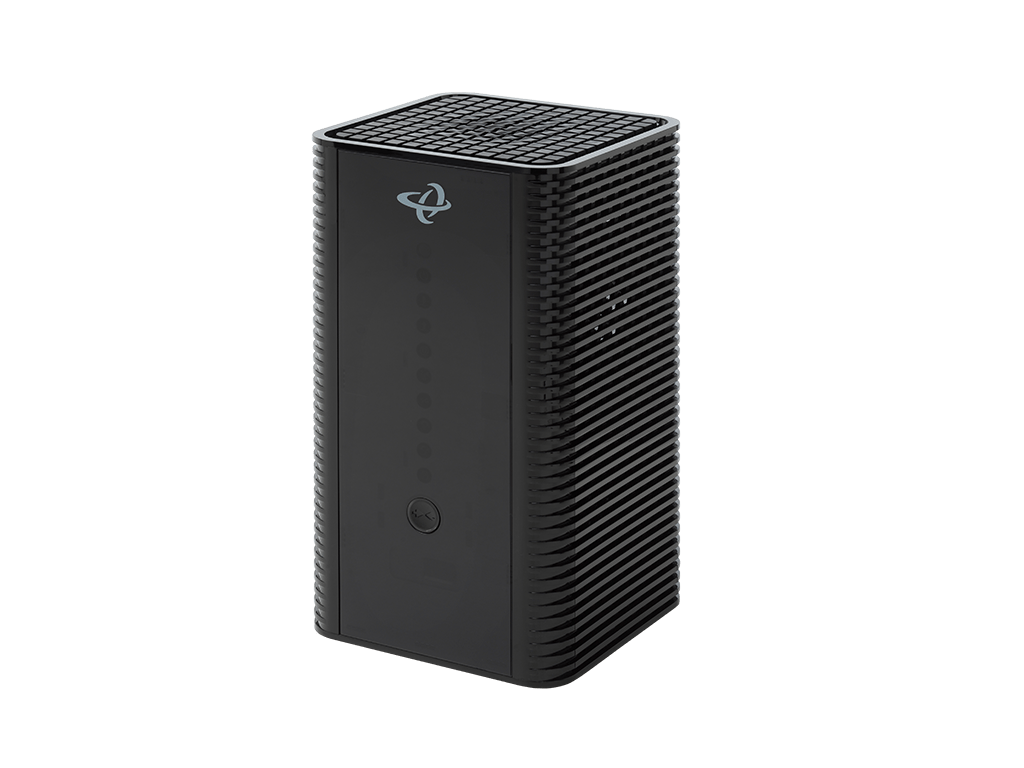
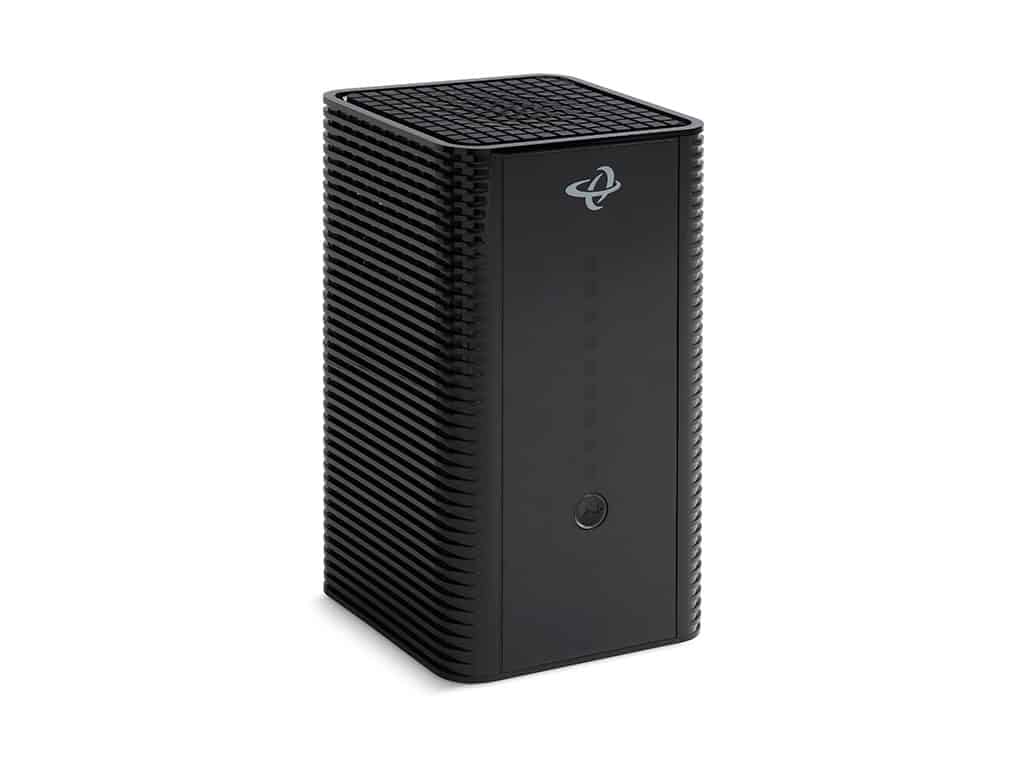
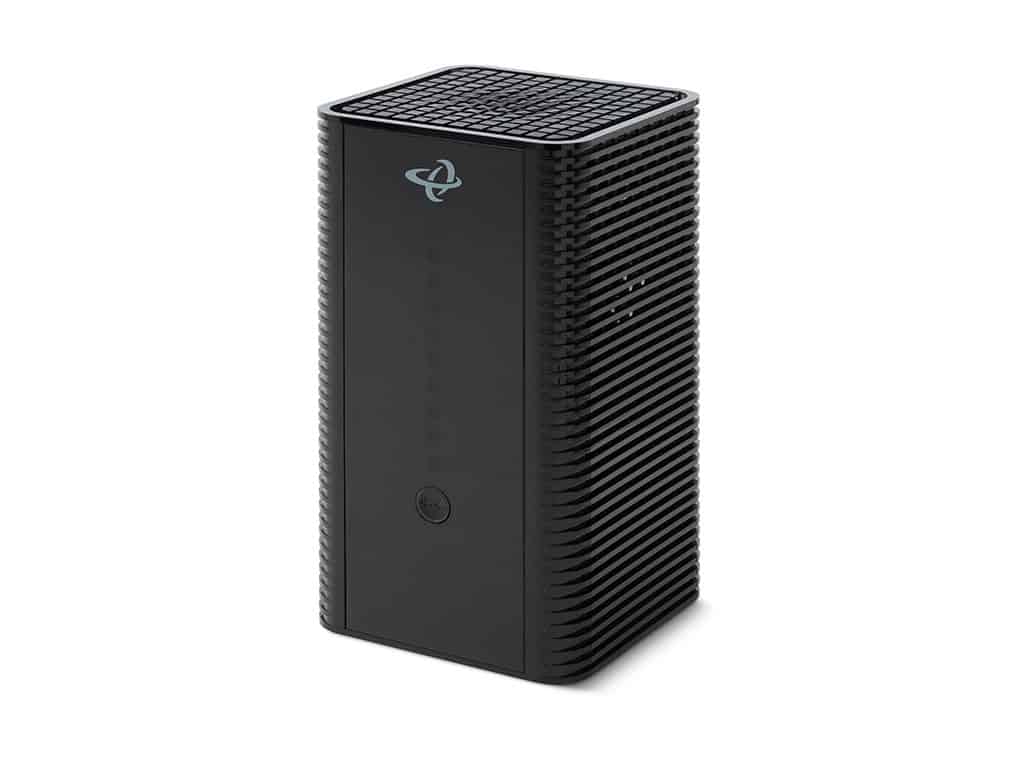
DOCSIS 3.1 with Backward Compatibility
Supports 2×2 OFDM/OFDMA + 32×8 DOCSIS 3.0 channel bonding, providing gigabit-class performance today while staying compatible with legacy DOCSIS 3.0 networks.
Wi-Fi 5 (802.11ac)
Dual-band Wi-Fi with 4×4 5 GHz 802.11ac Wave 2 MU-MIMO and 3×3 2.4 GHz 802.11n, delivering stable coverage and speeds suitable for standard home usage.
All-in-One Simplicity
Combines modem and router functionality in a single box, reducing installation complexity, lowering inventory costs, and simplifying support.
Wired Connectivity
Four Gigabit Ethernet ports for wired devices plus a USB 3.0 port for storage and media sharing.
Remote Manageability
Full support for TR-069, TR-369 (USP), SNMP, and proprietary MIBs for operator control and visibility.
Benefits for Service Providers
- Cost-Optimized Deployment: Perfect for entry-level or lower service tiers where Wi-Fi 6 or Wi-Fi 7 is not required.
- Simplified Operations: One integrated gateway reduces truck rolls and customer setup issues.
- Carrier-Grade Reliability: Proven DOCSIS 3.1 technology for consistent performance.
- Meets Everyday Needs: Provides the Wi-Fi and wired connectivity households require for day-to-day activities.
Key Specifications
- DOCSIS Support: DOCSIS 3.1 (2×2 OFDM/OFDMA) + DOCSIS 3.0 (32×8)
- Wi-Fi: Dual-band Wi-Fi 5 (4×4 5 GHz 802.11ac Wave 2 + 3×3 2.4 GHz 802.11n)
- Ethernet Ports: 4× Gigabit LAN
- USB Ports: 1× USB 3.0
- Management: TR-069, TR-369 USP, SNMP, EasyMesh support
- Other Features: IPv4/IPv6, multiple SSIDs, advanced firewall and parental controls
Other Products to Consider
Product
Modem Type
Frequency
WiFi
Wired LAN
Voice
Learn More about Cable Modems & Routers
Cable Modems Explained: Channel Bonding
Too much device traffic on one home Wi-Fi network leads to congestion which leads to slow Internet. That’s why modern cable modems have evolved to create more than one “lane” – or channel – to let that traffic through. This feature is called channel bonding. If you...
Choosing the Right Cable Modem or Cable Modem Router
So, you decided to buy a cable modem or cable modem router for your home network. Now you need to figure out which is best for you. Choosing the right device depends on your specific home setup and your overall Internet needs. Here are some things to consider when...
Cable Modems Explained: Wi-Fi 6 vs 802.11ac
The first version of WiFi was called 802.11. As new generations came out, the name was represented as 802.11 followed by a combination of letters. For example, 802.11b, 802.11g and 802.11n. The difference between these standards is the bandwidth speed, frequency range...
Cable Modems Explained: OFDM vs OFDMA
A cable modem uses a coaxial cable to bring an Internet connection into your home. The job of a cable modem is to directly communicate with your Internet service provider (ISP) to make this happen. Because a cable modem uses a wired connection, it offers a reliable...
Cable Modems Explained: Compatibility with Service Providers
A modem is a device that connects your computer or device to the Internet. A cable modem gives you a cable Internet connection. On its own, a cable modem provides a wired connection. To get wireless Internet (Wi-Fi) you need a router or cable modem router. However,...