Ethernet is often faster than WiFi for gaming and streaming because it provides a more consistent connection with lower latency, less jitter, and fewer interruptions. While modern WiFi can deliver impressive speeds, Ethernet avoids many of the interference and congestion issues that can affect real-world performance.
You can have a fast Internet plan, a powerful router, and excellent speed test results but still experience online gaming lag, buffering, or inconsistent video quality.
That is because gaming and streaming performance depends on more than Internet speed alone. The quality of your connection, how consistently data is delivered, and how much interference affects your network can all impact your experience.
For devices that need steady performance, Ethernet often provides a better connection than WiFi.
Why is Ethernet Faster Than WiFi?
When people compare Ethernet and WiFi, they usually look at download speed.
However, gaming and streaming rely on more than bandwidth. They depend on how quickly and consistently data moves between your device and the Internet.
Ethernet typically provides:
- Lower latency
- Lower jitter
- Less packet loss
- More consistent throughput
- A dedicated connection to your network
Modern WiFi technology can achieve very high speeds, and in some cases, a newer WiFi connection may even outperform older Ethernet equipment in a speed test.
However, speed tests only measure performance at a specific moment. They do not always show how stable a connection remains when multiple devices are active, wireless signals are competing for airtime, or interference affects the network.
For gaming and streaming, a connection that performs consistently is often more important than one that occasionally reaches a higher speed.
Why is My Internet Fast but My Game Still Lags?
Many people assume that upgrading to a faster Internet plan will automatically eliminate buffering or gaming lag.
However, Internet speed is only one part of your home network experience.
For gaming and streaming, “faster” often means:
- Faster response times during gameplay
- Fewer lag spikes
- Smoother online conversations
- More consistent video quality
- Fewer buffering interruptions
A WiFi connection may show hundreds of megabits per second during a speed test, but the experience can still feel slow if data is delayed or interrupted.
Think of it like driving on a highway. A vehicle capable of reaching a very high speed does not always get you to your destination faster if traffic constantly slows you down. A steady route with fewer interruptions often provides a better overall experience.
Ethernet works the same way. The advantage is not only speed. It is the ability to deliver data consistently when your devices need it most.
The Network Factors That Affect Gaming and Streaming
Speed is only one measurement of network performance.
Several other factors influence how your connection feels during gaming and streaming.
Latency: How Quickly Data Responds
Latency measures how long it takes data to travel between your device and its destination.
In online gaming, latency affects how quickly your actions are reflected in the game.
For example:
- Moving your character
- Pressing a button
- Communicating with teammates
- Responding to other players
A small delay may not matter when browsing websites or checking email, but it can be noticeable during competitive gaming.
Because Ethernet provides a direct wired connection between your device and router, it typically delivers lower and more predictable latency than WiFi.
Jitter: Why Consistency Matters
Many gamers focus on ping, but jitter can create an equally frustrating experience.
Jitter is the variation in latency over time.
A stable connection might look like:
- 20 ms
- 22 ms
- 18 ms
A connection affected by jitter might look like:
- 20 ms
- 75 ms
- 30 ms
- 110 ms
Even if the average latency appears acceptable, these sudden changes can make gameplay feel unpredictable.
Your game may feel smooth one moment and delayed the next.
Because WiFi signals are affected by distance, obstacles, interference, and other wireless devices, latency can fluctuate more than with a wired Ethernet connection.
Packet Loss: The Problem You May Not See
Online activities depend on data packets arriving correctly.
When packets are delayed, lost, or corrupted, devices may need to resend information.
This can cause:
- Lag spikes
- Rubber-banding in games
- Frozen video frames
- Voice chat problems
- Streaming interruptions
Packet loss is difficult to identify because many speed tests focus primarily on download and upload speeds.
Wireless interference from neighboring networks, smart home devices, and physical obstacles can increase the chance of packet loss.
Ethernet eliminates many of these wireless variables by creating a direct wired path between your device and your network.
Why WiFi Performance Changes Throughout the Day
WiFi is a shared connection.
Your devices compete for available wireless airtime with:
- Smartphones
- Tablets
- Smart TVs
- Security cameras
- Smart home devices
- Nearby WiFi networks
The more devices using wireless connections, the greater the potential for congestion.
This is why gaming may work perfectly in the morning but become frustrating in the evening when more devices are active.
Ethernet avoids much of this wireless congestion because each wired device has its own physical connection to the network.
Why Ethernet Improves Streaming Performance
Streaming services do not require the same low latency as gaming, but they depend on a steady flow of data.
When network performance changes, streaming platforms may respond by:
- Lowering video quality
- Reducing bitrate
- Pausing to buffer
- Switching from 4K to a lower resolution
This can happen even when your Internet plan provides enough bandwidth.
The problem is often not how much data your connection can deliver. It is whether that data arrives consistently.
A wired Ethernet connection helps streaming devices maintain the stable connection needed for high-quality video playback.
How Do I Get Ethernet in Another Room?
Ethernet provides excellent performance, but many homeowners face a practical challenge: their router is not located where they need a wired connection.
Running new Ethernet cable throughout a home may not always be convenient or possible.
Fortunately, many homes already have another type of network wiring installed: coaxial cable.
Existing coax wiring can often be used to create Ethernet connections in rooms where Ethernet ports are not available. This technology, known as MoCA, allows network data to travel over existing coaxial cable.
Learn more about how this works in How Do I Convert Coaxial Cable to Ethernet?.
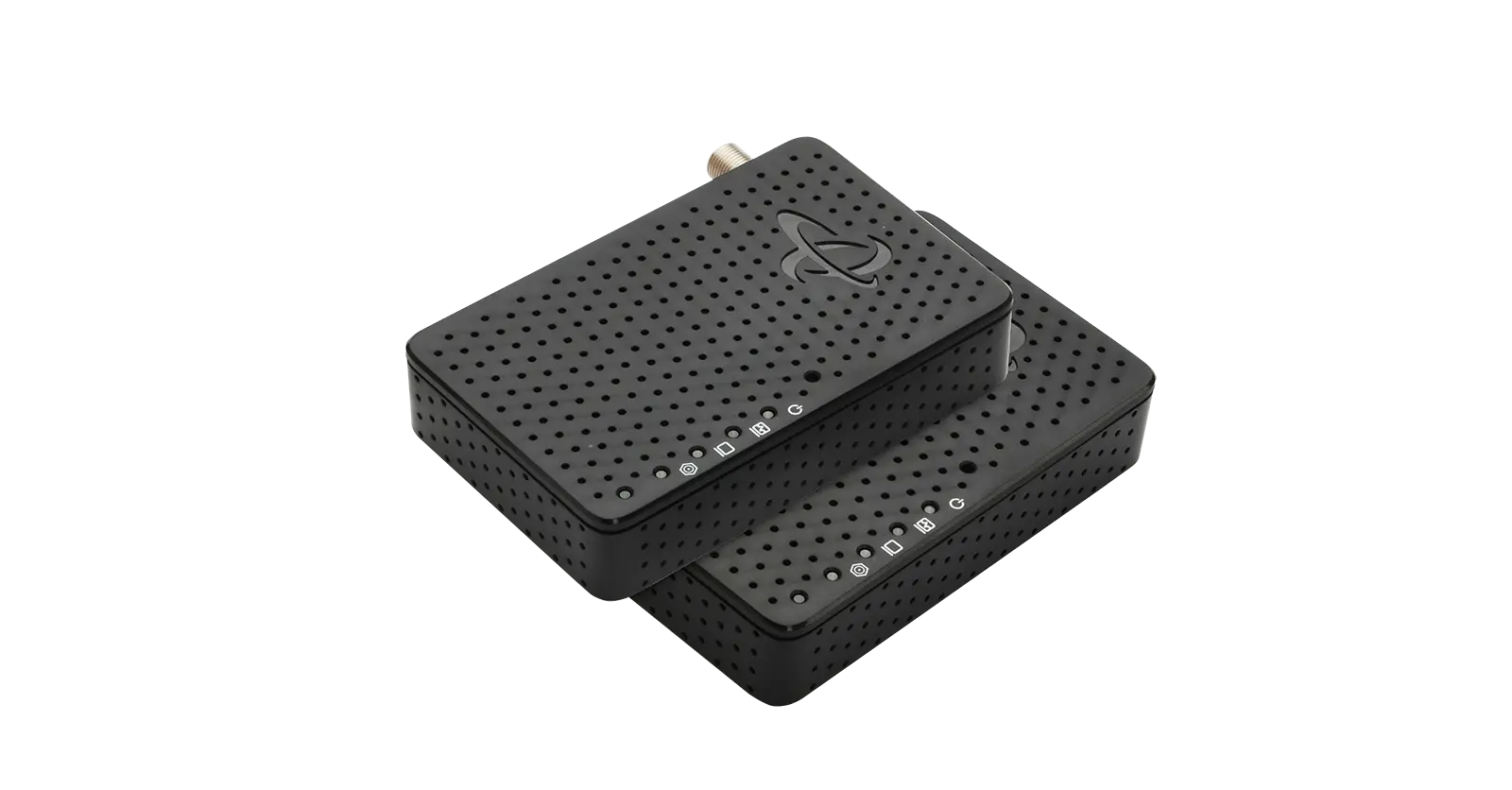
Using a MoCA adapter such as the Hitron HTEM5, homeowners can connect devices like gaming PCs, smart TVs, and streaming devices through existing coax outlets, bringing the benefits of Ethernet to more areas of the home.
Ethernet vs WiFi: Which Connection Should You Use?
WiFi remains an important part of every modern home network. It provides the convenience needed for smartphones, tablets, laptops, and other mobile devices.
However, devices that require consistent performance often benefit from Ethernet.
Ethernet is ideal for:
- Gaming consoles
- Gaming PCs
- Smart TVs
- Streaming devices
- Desktop computers
- Network storage devices
WiFi provides flexibility.
Ethernet provides consistency.
For activities where interruptions affect your experience, a wired connection is often the better choice.
FAQs
Is Ethernet always faster than WiFi?
Not always. Modern WiFi can achieve very high speeds and may outperform older Ethernet equipment. However, Ethernet typically provides lower latency, less jitter, and more consistent performance, which can improve gaming and streaming experiences.
Why do games lag when my Internet speed is fast?
Gaming performance depends on more than download speed. Latency, jitter, packet loss, and network congestion can all affect gameplay, even when a speed test shows a fast connection.
Does Ethernet improve streaming quality?
Ethernet can improve streaming quality by providing a more stable connection. This helps streaming services maintain higher video quality and reduces buffering caused by inconsistent data delivery.
What is jitter in gaming?
Jitter is the variation in latency over time. High jitter causes inconsistent response times, which can make games feel delayed or unpredictable.
Can I get Ethernet in another room without running new cables?
Yes, in many homes. MoCA adapters can use existing coaxial cable wiring to create Ethernet connections in rooms without installed Ethernet ports.
Bring Ethernet Performance to More Rooms in Your Home
Gaming and streaming performance depends on more than the speed of your Internet plan. A consistent connection with lower latency, less jitter, and fewer interruptions can make a noticeable difference in your everyday experience.
Ethernet provides the performance advantages many devices need, but you do not always need to install new Ethernet wiring throughout your home. Existing coaxial cable can often be converted into a high-speed wired network connection using MoCA technology.
Learn how to extend wired networking throughout your home with How Do I Convert Coaxial Cable to Ethernet?.