
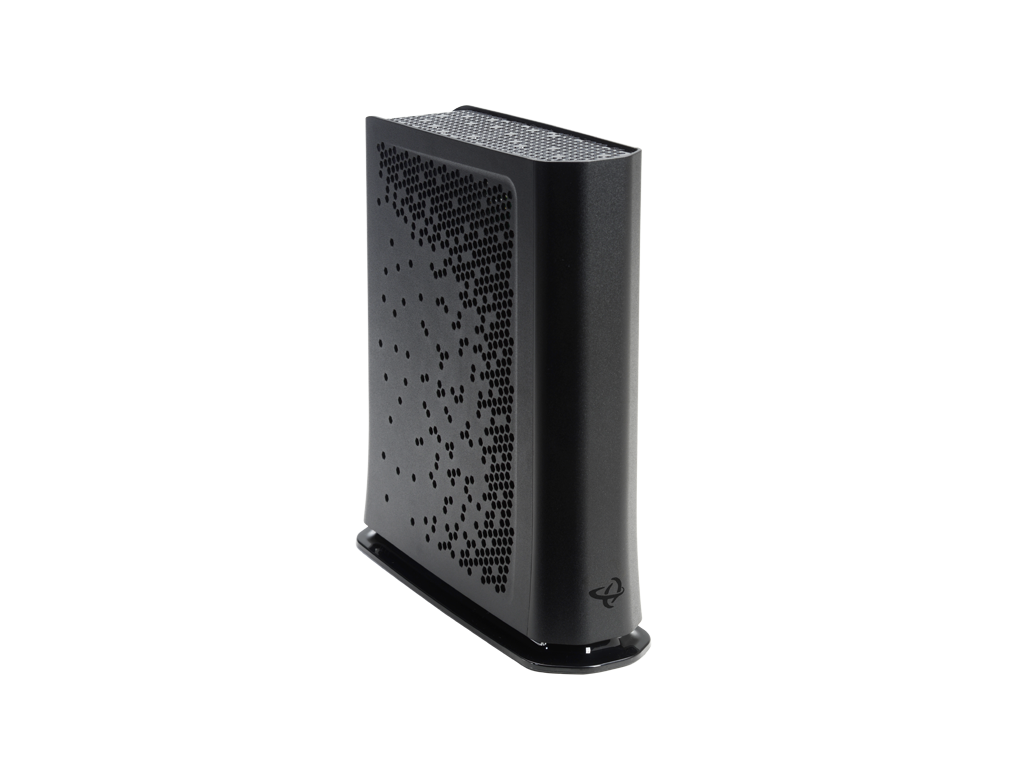
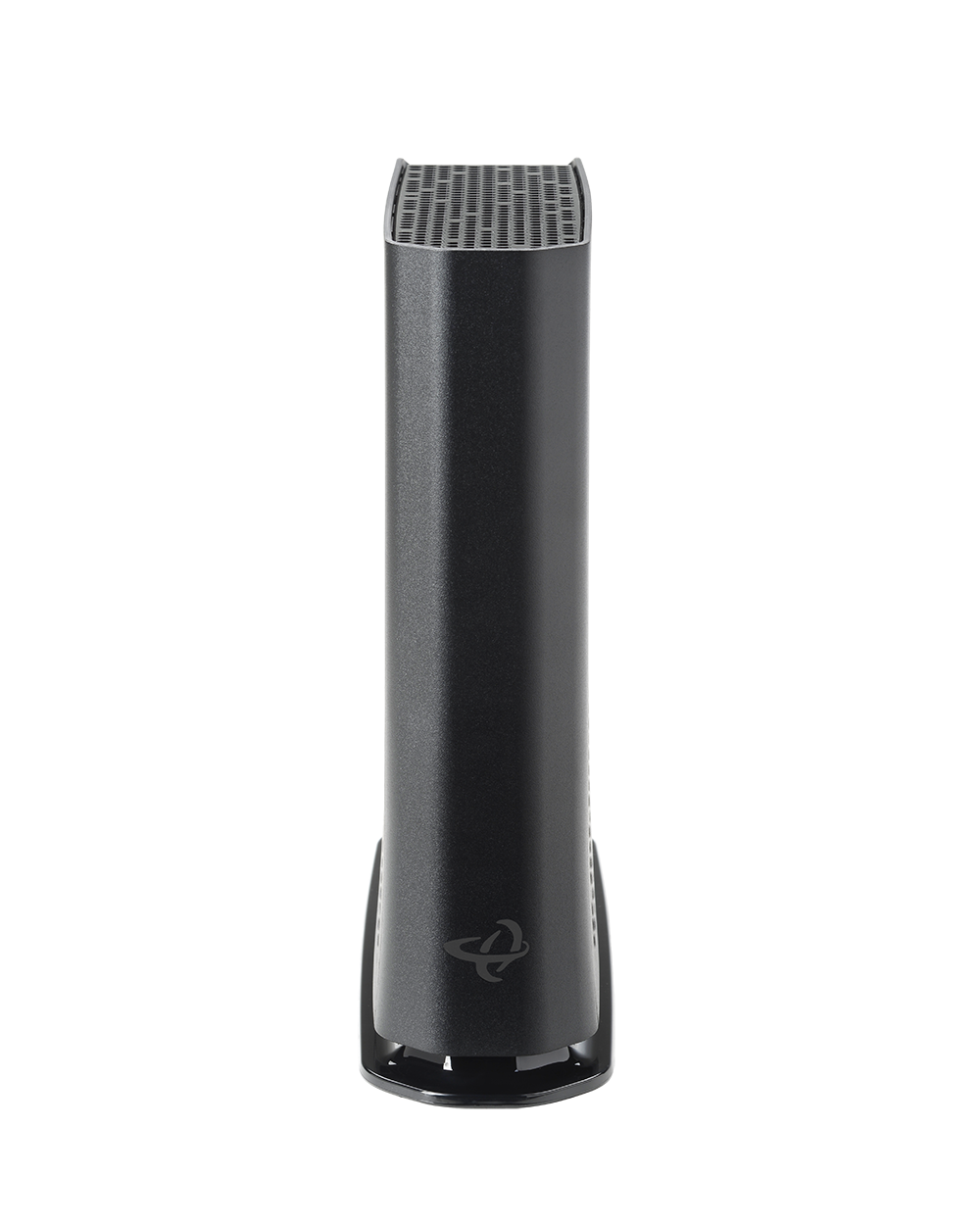
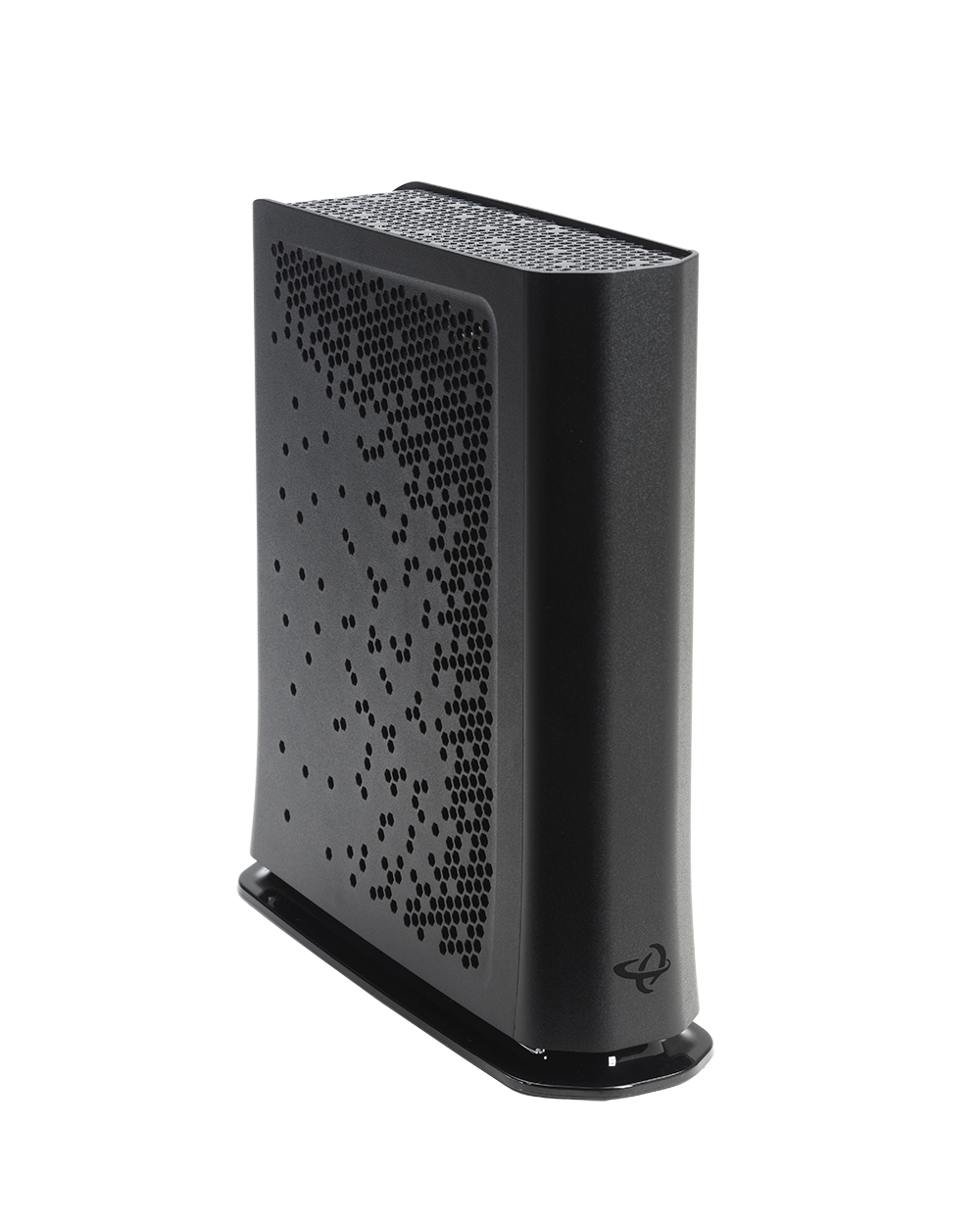
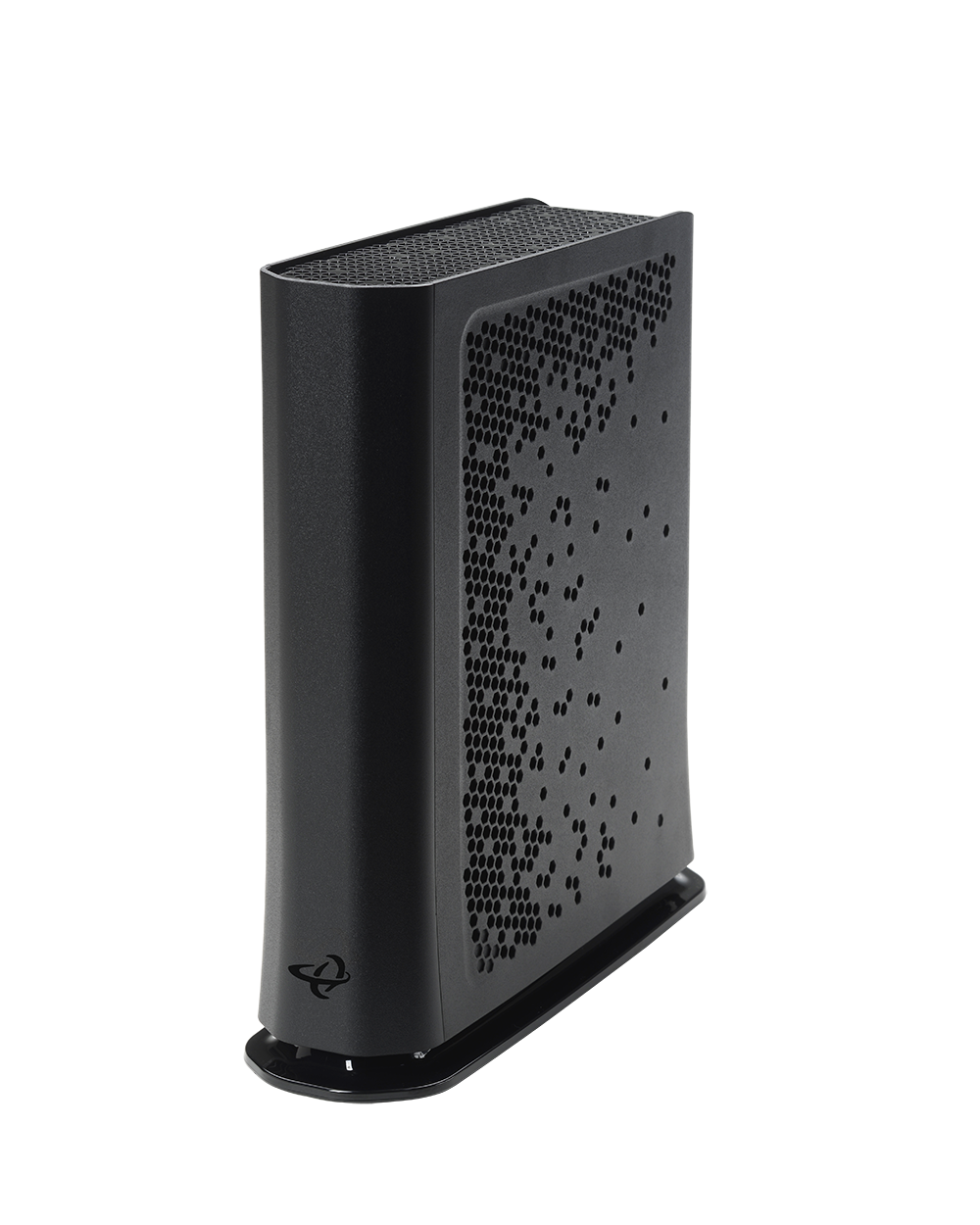
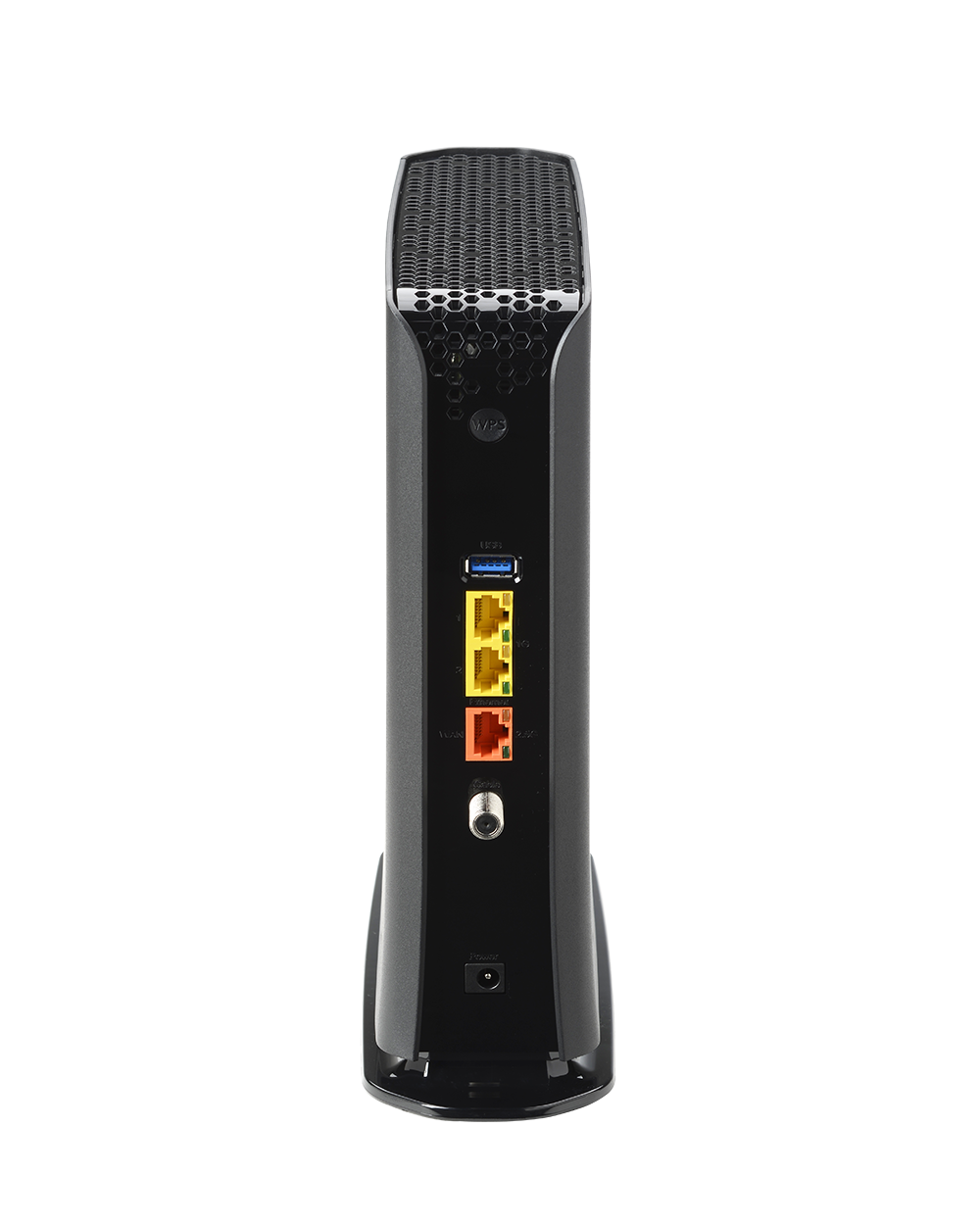
DOCSIS 3.1 with DOCSIS 3.0 Compatibility
2×2 OFDM/OFDMA + 32×8 DOCSIS 3.0 bonding ensures multi-gigabit downstream capability with backward compatibility for existing networks.
Flexible Return Path for Future-Ready Upgrades
Switchable upstream (5–42 MHz / 5–85 MHz) supports migration to mid-split deployments without replacing hardware.
Wi-Fi 6 Advantage
Dual-band Wi-Fi 6 with 4×4 5 GHz and 4×4 2.4 GHz radios delivers faster speeds, better range, and more efficient use of spectrum to handle today’s connected homes.
Multi-Gig Wired Connectivity
2× 2.5 Gbps Ethernet ports plus 2× 1 Gbps ports support premium wired devices and high-bandwidth backhaul.
Carrier-Grade Management
TR-069, TR-369, HNAP, SNMP, and TFTP for simplified provisioning and remote troubleshooting—reducing support costs and truck rolls.
TPIA Market Approved
Approved by many Canadian carriers for the TPIA market, ensuring wide compatibility and streamlined deployments for wholesale ISPs.
Benefits for Service Providers
- Optimized for Mid-Tier Service Plans: Provides reliable Wi-Fi 6 and multi-gig wired support without overspecifying for basic packages.
- Simplified Deployments: Combines modem and router functionality into a single, operator-friendly gateway.
- Proven Market Acceptance: Pre-approved for TPIA use by leading Canadian carriers, making it easy to adopt and deploy at scale.
- Subscriber Satisfaction: Meets the growing demand for faster, more stable Wi-Fi and wired performance in modern households.
Key Specifications
- DOCSIS Support: DOCSIS 3.1 (2×2 OFDM/OFDMA) + DOCSIS 3.0 (32×8)
- Upstream: Switchable 5–42 MHz / 5–85 MHz
- Wi-Fi: Dual-band Wi-Fi 6 (4×4 5 GHz + 4×4 2.4 GHz)
- Ethernet Ports: 2× 2.5 Gbps + 2× 1 Gbps
- Management: TR-069, TR-369, HNAP, SNMP, TFTP
- Other Features: IPv4/IPv6, multiple SSIDs, integrated DLNA media server, advanced firewall
Documentation
Other Products to Consider
Product
Modem Type
Frequency
WiFi
Wired LAN
Voice
Learn More about Cable Modems & Routers
The Difference Between a Modem and a Router
Wondering about modem vs router? A modem connects your home to the Internet by translating your ISP’s signal into usable data. A router takes that data and distributes it to your devices over WiFi or Ethernet. You need both for a complete home network setup. ...
Cable Modem vs DSL Modem or Fiber
A modem is a device that communicates with your Internet service provider (ISP) to connect you to the Internet. It is something that you can rent from your ISP but you can also buy your own. There are a few different types of modems. It is important to understand the...
What is a Cable Modem & How Does It Work?
A cable modem is a device that connects your home to the Internet using the same coaxial cable lines that deliver cable TV. It receives the Internet signal from your Internet Service Provider (ISP) and converts it into a form your home network can use. If you have...
The Ultimate Cable Modem Upgrade to DOCSIS 3.1 & Wi-Fi 6
When you set up Internet in your home, you get a modem. If you want wireless Internet, you also get a router. Often you get the devices through your Internet service provider (ISP), however, you can buy your own. This page focuses on modems. Modems are the small box...
What’s required to be an approved xfinity modem?
When setting up your home Internet network, you need two things: a modem and a router. Well, you need the router if you want wireless Internet. On its own, a modem can give you wired Internet access. However, the two devices pair...