You can set up two routers on a MoCA network with MoCA adapters to boost your signal coverage and create a separate network. Learn more.

How to Use Two Routers on the Same Coax Cable (MoCA) Network
read more

You can set up two routers on a MoCA network with MoCA adapters to boost your signal coverage and create a separate network. Learn more.

You can use a traditional router or MoCA router to get Wi-Fi on a Coax Internet network with MoCA adapters. Learn more.

Hitron has a variety of gateways that support both 802.11ac (Wi-Fi 5) and an 802.11ax (Wi-Fi 6) standards. Here are the benefits and differences of each Wi-Fi standard when it comes to your cable modem router to help you choose the right one for your home network.

Should you choose a cable modem with fixed frequency or switchable frequency capabilities? What does that even mean? Here’s what you need to know.

Download speed and upload speed are important factors when choosing the right cable modem for your needs. DOCSIS 3.0 or 3.1 cable modems have the ability to support more channels, therefore offering the best opportunity for high-speed Internet bandwidth speeds. Learn more about upstream and downstream channels here.
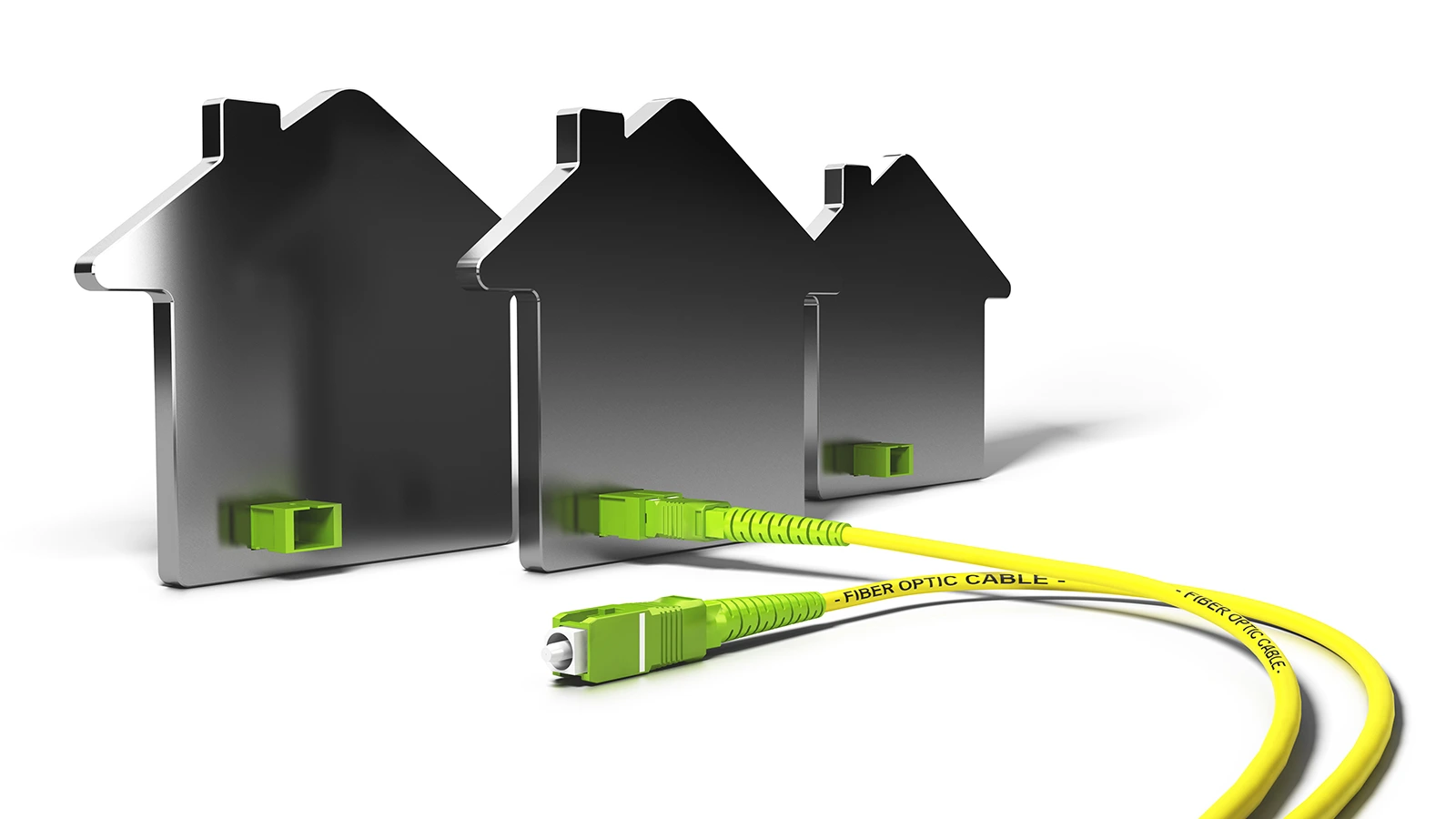
GPON (Gigabit Passive Optical Network) and EPON (Ethernet Passive Optical Network) are both PON protocols that serve Ethernet acces to users over a fiber-optic network. Learn more about the difference and how they work.

GPON (Gigabit Passive Optical Network) is a next-generation PON standard used to deliver broadband access to homes and businesses. It consists of OLT (Optical Line Terminals), ONU (Optical Network Unit), and a splitter. Learn more.

A look at the basics of fiber optic networking, including an explanation of PON, EPON, GPON and understanding OLT, ONT/ONU and more.
[contact-form-7 id="16041" title="OS2210 - Notification"]