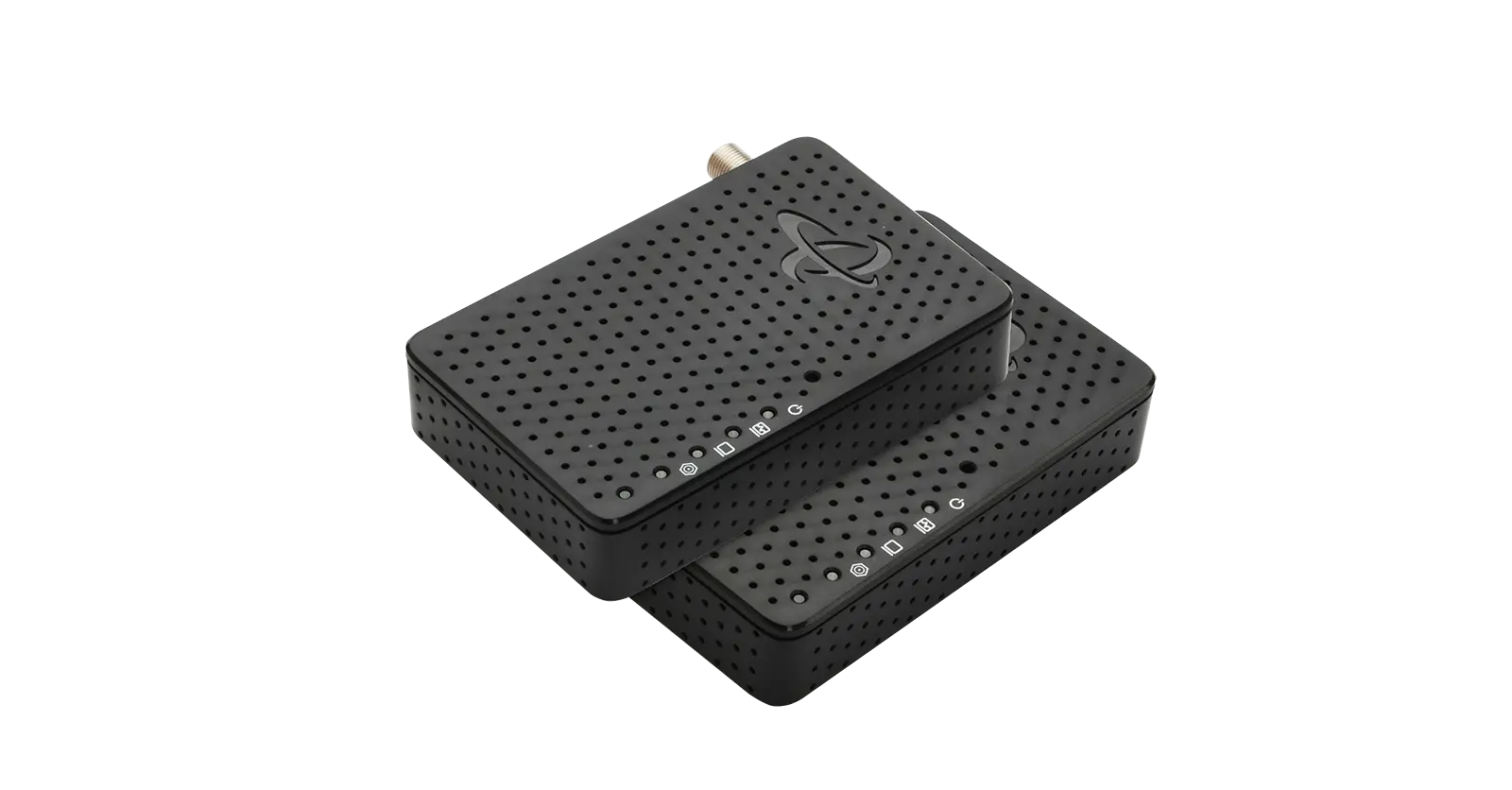
When home internet stops working, many people turn to a mobile hotspot as a quick fix. Others rely on a dedicated home internet backup solution, such as Hitron’s D60 5G Cellular Router, which is designed to keep a home network online by switching to a cellular connection when the primary service fails.
Although both options use cellular networks, they are built for very different situations. Understanding that difference helps households avoid frustration during outages and choose the right level of protection.
What Is a Mobile Hotspot?
A mobile hotspot uses a smartphone or portable device to share a cellular data connection with nearby devices over WiFi.
Mobile hotspots are designed primarily for:
- Temporary connectivity
- Individual or small numbers of devices
- Travel or on-the-go use
They are convenient, widely available, and easy to activate—but they also come with clear limitations when used as a substitute for home internet.
What Is Home Internet Backup?
Home internet backup is a secondary internet connection that operates alongside your primary service (such as cable or fiber). It is designed to take over automatically when the primary connection fails.
Instead of relying on manual setup or individual devices, home internet backup solutions are integrated into the home network itself. Routers designed for this purpose—such as the Hitron D60 5G Cellular Router—use cellular networks as a fallback connection when the primary internet service becomes unavailable.
The goal is continuity, not convenience.
Key Differences Between Mobile Hotspots and Home Internet Backup
1. Setup and Activation
Mobile hotspot:
- Requires manual activation
- Each device must reconnect
- Often set up after the outage has already started
Home internet backup:
- Always connected and ready
- Automatically switches during an outage
- No user intervention required
Routers like the Hitron D60 are designed specifically to detect outages and transition traffic automatically.
2. Number of Supported Devices
Mobile hotspot:
- Typically supports a small number of devices
- Performance degrades quickly as more devices connect
Home internet backup:
- Designed for whole-home use
- Supports multiple users and devices at once
Because the D60 functions as part of the home network, it avoids the device limits common with phone-based hotspots.
3. Reliability During Outages
Mobile hotspot:
- Depends on phone battery life
- Can be affected by thermal throttling or background phone activity
Home internet backup:
- Powered continuously
- Built for sustained connectivity during outages
This difference becomes important during longer outages or work-from-home scenarios.
4. Performance Expectations
Mobile hotspot:
- Suitable for email, light browsing, or short sessions
- Performance can vary significantly
Home internet backup:
- Designed to support video calls, cloud tools, and everyday home usage during outages
Modern 5G-based solutions, including routers like the Hitron D60, can offer performance well beyond what most people expect from hotspot-based connectivity, depending on local network conditions.
5. Impact on Everyday Phone Use
Mobile hotspot:
- Ties up your phone
- Can interfere with calls, messaging, and battery life
Home internet backup:
- Operates independently
- Leaves phones free for normal use
This separation is one reason many households move away from relying on phones during outages.
Why Cellular Networks Are Used for Home Internet Backup
Cellular networks operate independently of wired internet infrastructure. When a cable or fiber line is damaged or offline, cellular networks often remain available, or recover faster.
This independence is why 5G cellular connectivity is increasingly used for home internet backup and why devices like the Hitron D60 are built to leverage cellular networks specifically for failover scenarios.
When a Mobile Hotspot May Be Enough
A mobile hotspot may be sufficient if:
- Outages are rare and short
- Only one device needs connectivity
- Internet access during outages is a minor convenience
For occasional, low-impact situations, a hotspot can be a reasonable stopgap.
When Home Internet Backup Makes More Sense
Home internet backup becomes more relevant if:
- You work from home or rely on video meetings
- Multiple people need to stay connected
- Internet outages disrupt productivity or income
- You want connectivity without manual setup
In these cases, solutions like the Hitron D60 are designed not as replacements for primary internet, but as quiet insurance against downtime.
What Home Internet Backup Is and Isn’t
Home internet backup solutions are designed to:
- Reduce disruption during ISP outages
- Switch connections automatically
- Support multiple connected devices
They are not designed to:
- Replace primary internet service
- Eliminate outages entirely
- Operate without power
Understanding these boundaries is key to choosing the right approach.
Choosing Between a Hotspot and Home Internet Backup
Before deciding, ask:
- How disruptive are outages for your household?
- How many devices need to stay online?
- Are you comfortable with manual setup during outages?
- How reliable is cellular coverage where you live?
Homes that value reliability and simplicity often choose automated solutions that are already in place before outages occur.
Frequently Asked Questions
Is a mobile hotspot the same as internet backup?
Can a mobile hotspot replace home internet during outages?
Does home internet backup require a second ISP?
Will home internet backup work if the power goes out?
Is 5G good enough for internet backup?
Do I need home internet backup if outages are rare?
Internet Backup Options Designed for Home Use
If you have determined that a dedicated home internet backup solution is a better fit than relying on a mobile hotspot, it is worth looking at options designed specifically for home networks.
The Hitron D60 5G Cellular Router is designed to operate alongside an existing internet service and automatically switch to a 5G cellular connection when the primary service becomes unavailable. Because it functions at the network level, it can help keep multiple devices connected without requiring manual setup during an outage.